Creating your own token is one of the fastest ways to launch a blockchain project, reward a community, or prototype an idea. Below is a clear, practical guide that walks you through what a token is, how to create one (including free tools), and important pitfalls to avoid.
What is a token?
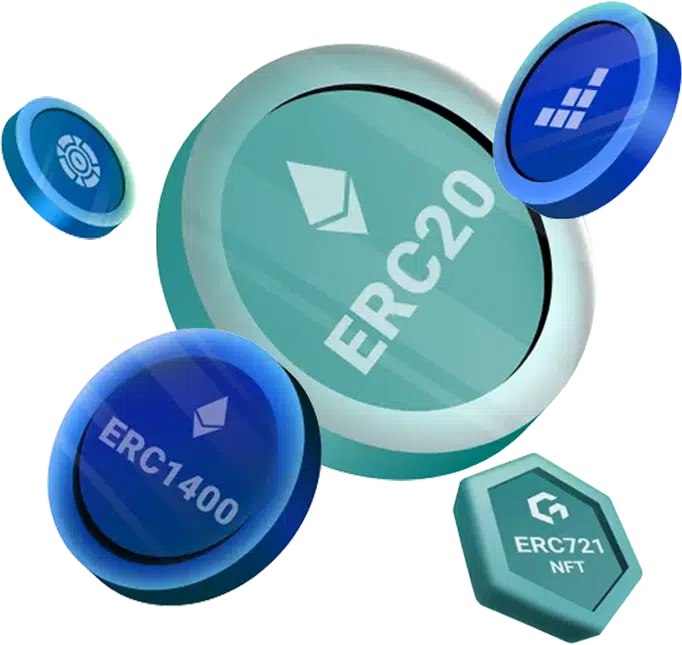
A token is a programmable digital asset that lives on an existing blockchain (like Ethereum, BNB Smart Chain, or Polygon). Tokens can represent value, access, membership, voting rights, reward points, or anything you design them for. Common standards: ERC-20 (fungible tokens on Ethereum), BEP-20 (BNB Smart Chain), and ERC-721 / ERC-1155 (non-fungible tokens).
Quick overview: steps to create your own token
- Decide purpose & spec
- Fungible (many identical units) vs non-fungible (unique).
- Total supply, divisibility (decimals), transfer rules (mintable, burnable), owner privileges.
- Choose the blockchain
- Ethereum: largest ecosystem, higher gas fees.
- BNB Smart Chain or Polygon: lower fees and faster tx.
- Choice affects cost, audience, and tooling.
- Pick how you’ll create it
- Token generator web tools (fast — some are free to create the contract code).
- Standard smart contract templates (OpenZeppelin libraries) and deploy using Remix or Hardhat.
- Hire a developer for custom logic.
- Create the contract code
- Use a trusted template (OpenZeppelin ERC-20 implementation is industry standard).
- Set token name, symbol, total supply, and optional features (minting, pausing).
- Test on a testnet
- Deploy to a test network (Goerli, Mumbai, BSC Testnet) to verify behavior before spending real funds.
- Deploy to mainnet
- You’ll need some native blockchain currency for gas (ETH, BNB, MATIC). Note: “free” token creation often still requires gas to deploy on mainnet.
- Verify & publish contract
- Verify the source code on a block explorer (Etherscan, BscScan, PolygonScan) so others can inspect it.
- Token distribution & listing
- Decide how to distribute: airdrop, liquidity pool, sale, or direct transfers.
- If you want trading, add liquidity on AMMs (Uniswap, PancakeSwap) and optionally pursue centralised exchange listings later.
How to make a token for free (real talk)
- Free options exist for development & testing: you can write and deploy contract code for free on testnets (they use test tokens you can get from faucets).
- Mainnet deployment is not truly free: even when using free token-creation websites or automated scripts, deploying to a blockchain mainnet requires paying gas fees in the chain’s native token — that cost cannot be avoided unless a platform subsidizes it.
- Workaround for “no cost” launches: some platforms or launchpads may subsidize initial deployments or launch tokens on sidechains that offer zero or tiny fees — but check trustworthiness and limitations first.
Tools & approaches (fast options)
- Token generators / no-code tools: great for beginners; produce contract code and sometimes help with deploying. Always inspect generated code or prefer tools that use audited templates.
- Remix + OpenZeppelin: write or paste a standard ERC-20 contract and deploy with MetaMask. Good balance of control and safety.
- Hardhat/Truffle: for developers building more sophisticated projects and automated deployments.
- Testnets first: always use Goerli/Mumbai/BSC Testnet before mainnet.
Security & legal cautions
- Audit / review code — even simple mistakes can create permanent vulnerabilities.
- Avoid copy-paste from untrusted sources. Use well-maintained libraries (OpenZeppelin).
- Token economics (tokenomics): poorly designed supply, vesting, or owner privileges cause distrust.
- Regulation: tokens that function like securities may fall under securities laws in many jurisdictions — consult legal counsel if your token has investment features.
Example — Minimal ERC-20 flow (conceptual)
- Choose name:
MyToken, symbolMYT, supply1,000,000. - Use OpenZeppelin ERC-20 template, set constructor supply to
1,000,000 * 10**18. - Test on Goerli testnet and verify behavior.
- Deploy on chosen mainnet with enough native tokens for gas.
- Verify on Etherscan/BscScan.
- Add liquidity and announce distribution plan.
Final tips
- Start on a testnet and proof every step.
- If you want zero fees up front, focus on testnet prototypes or find a reputable launchpad that covers initial costs.
- Keep your community informed: transparency builds trust.